Melle/Leuven, 18 november 2026 – How do we know whether a surgeon has mastered the skills needed to operate with robotic technology? Completing a training course is one thing. Demonstrating that you can perform a surgical procedure to a defined standard is another.
Orsi Academy and KU Leuven Faculty of Medicine are taking an important step towards closing that gap. Two established robotic surgery training programmes, developed by Orsi Academy and endorsed for years by the European Association of Urology (EAU), now lead to KU Leuven’s first micro-credentials in robotic surgery. The collaboration also marks a world first, with KU Leuven becoming the first higher education institution to offer robotic surgery training based on the Proficiency-Based Progression (PBP) methodology.
The programmes are designed for urology residents and fellows from around the world. They focus on two procedures: the robotic removal of the prostate (RARP) and the robotic removal of part of the kidney (RAPN).
Training until you reach the required standard
Rather than measuring progress by training hours alone, both programmes focus on the acquisition and demonstrated proficiency of specific surgical skills.
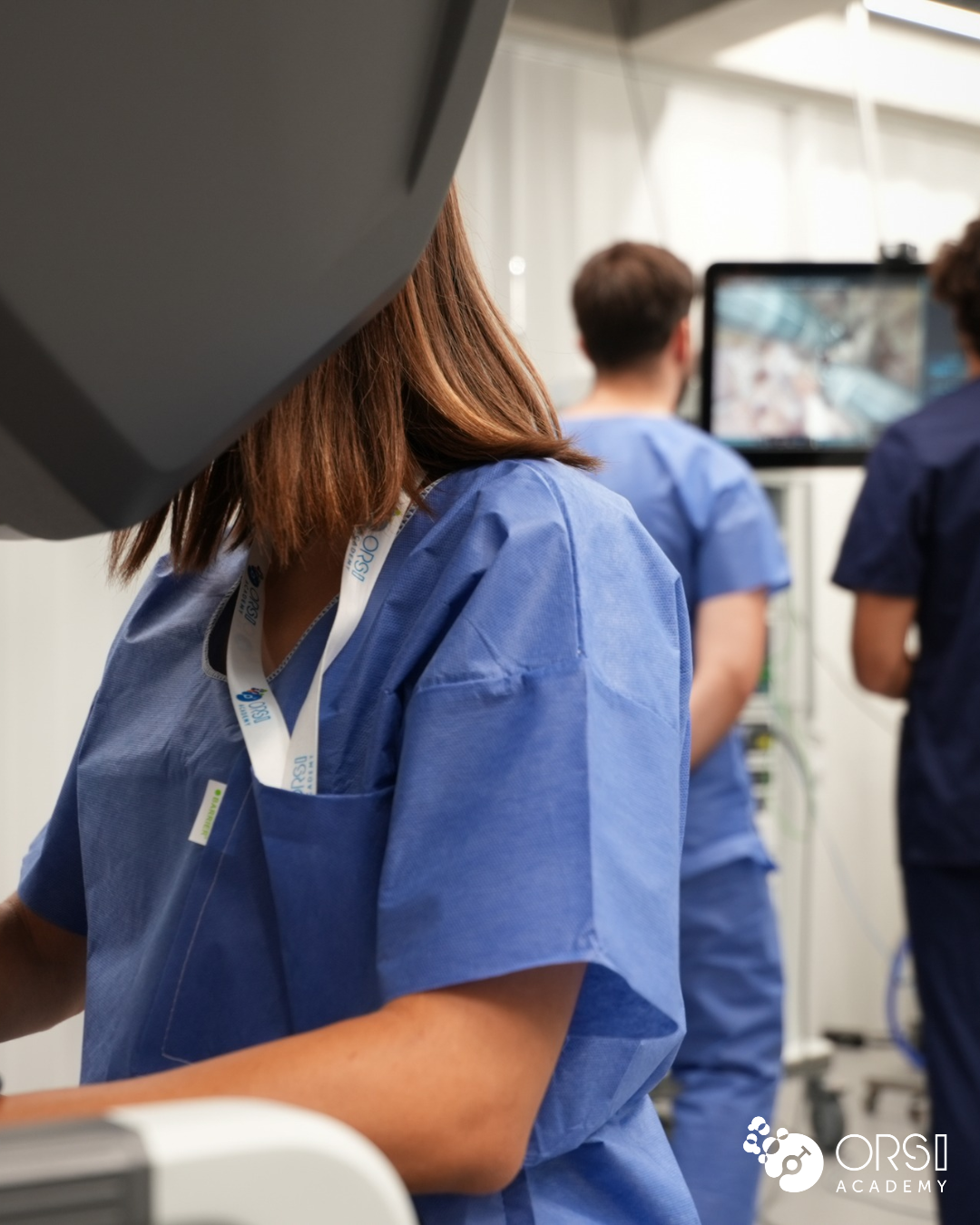
They follow the Proficiency-Based Progression (PBP) approach. Participants practise specific surgical tasks, receive objective feedback and continue training until they reach a predefined performance standard based on the average performance of experienced surgeons carrying out the same tasks.
Research supports the benefits of this approach. A 2026 systematic review and meta-analysis found that PBP training reduced performance errors by 58% compared with other training approaches across the healthcare procedures studied.
Attending a course does not automatically mean someone has mastered a surgical skill,” says Professor Alexandre Mottrie, CEO of Orsi Academy. “With PBP, we can objectively assess performance and train participants towards a standard based on experienced surgeons. We have been advocating this approach for years. New surgical technologies should only enter clinical practice when healthcare professionals have demonstrated the skills needed to use them safely. This academic recognition is an important milestone in that ambition.
From EAU endorsement to academic recognition
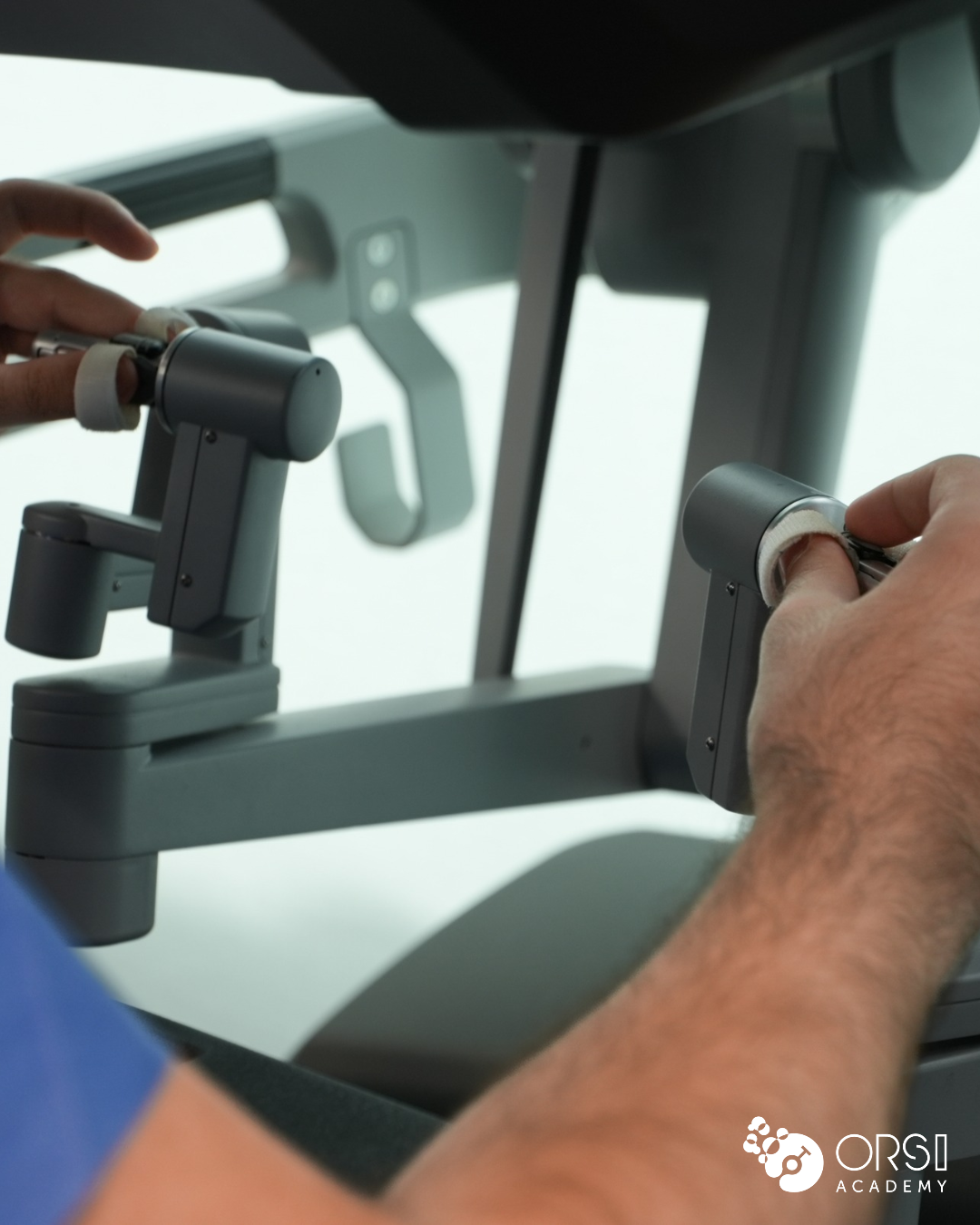
Developed by Orsi Academy and endorsed for several years by the EAU through its Robotic Urology Section (ERUS), the programmes combine online learning, hands-on training at Orsi Academy and supervised operating-room training at recognised EAU Robotic Host Centres. Participants complete a final assessment during a real clinical case.
What is new is the academic recognition. Through the collaboration with KU Leuven, participants who successfully complete the full programme receive a micro-credential.
Micro-credentials formally document assessed learning outcomes. A common European framework makes these achievements more transparent and easier to compare internationally.
With these micro-credentials, we bring together established surgical training programmes, objective assessment and academic recognition,” says Professor Ben Van Cleynenbreugel of KU Leuven. “This gives surgeons formal recognition of their learning achievements and provides healthcare organisations with more transparent information about their assessed skills.
For surgeons, this means academic recognition of demonstrated skills. For hospitals and healthcare organisations, it provides additional objective information to support decisions about surgical training and professional development.
Ultimately, the ambition is clear: to ensure that advances in surgical technology go hand in hand with the skills needed to deliver safe, high-quality patient care.

Want to learn more about the programmes, assessment process and certification?
Download the press release with full programme factsheet here.